
Analysis Package P10 : Sugars, Lignin, Extractives, and Ash
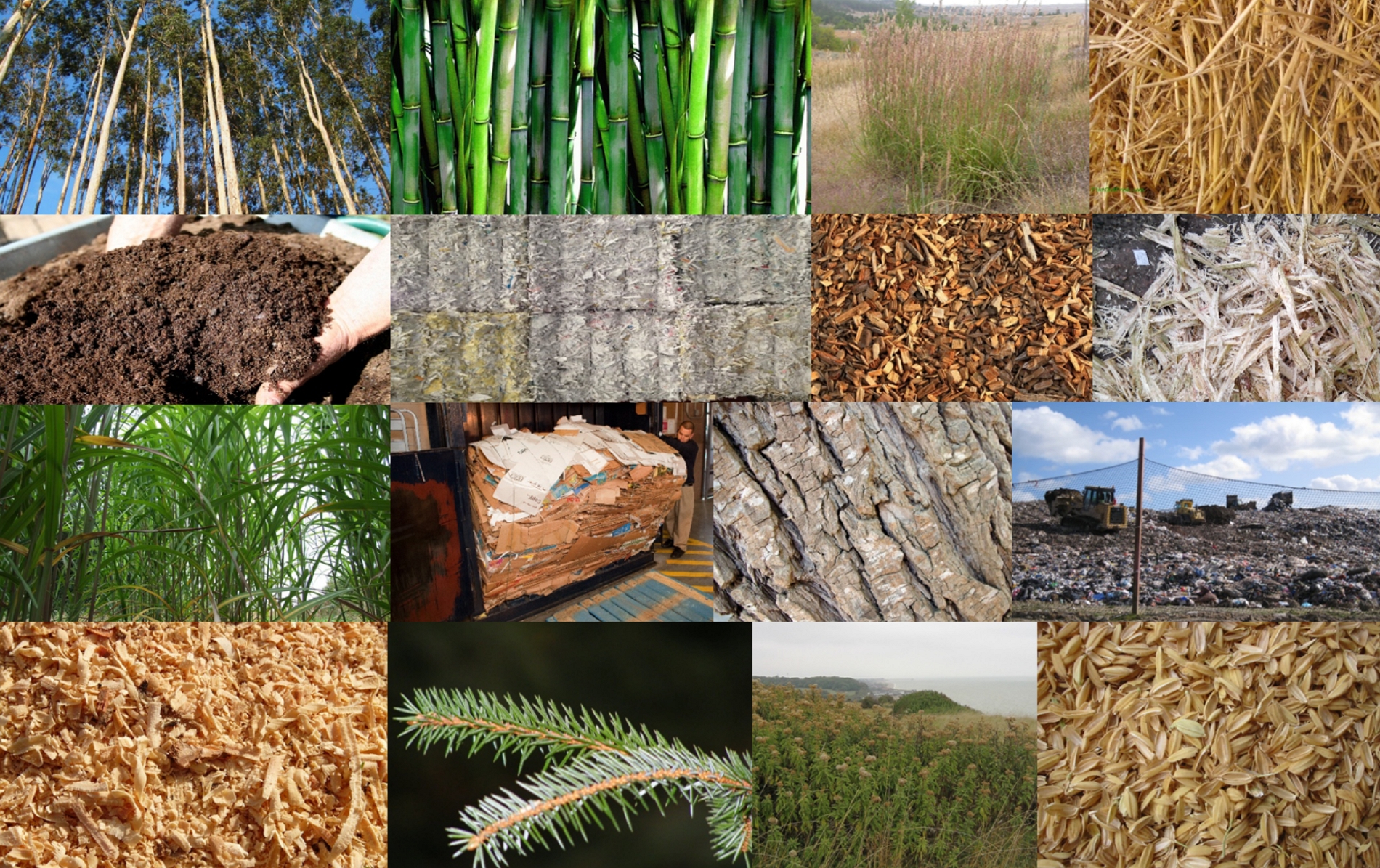
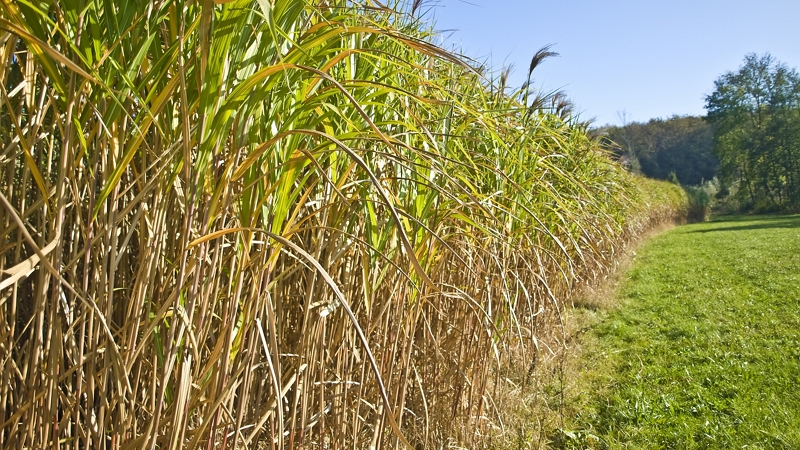
This package combines packages P3 - Ash Content, P6 - Full Extractives, and P9 - Lignocellulosic Sugars and Lignin. It is our recommended analysis package for getting detailed and accurate data regarding the lignocellulosic composition of a biomass sample.
We have found that if the extractives are not removed they will cross-react with the acid during our hydrolysis process and can condense to acid-insoluble components that will be associated-with and classified-as Klason lignin (KL). We have also found elevated acid soluble lignin contents in samples that have been hydrolysed with no prior extraction. Similarly, many biomass samples can contain water soluble carbohydrates in the extractives and, if these are not removed prior to hydrolysis, will be part of the hydrolysate and could be incorrectly considered to be coming from cellulose or hemicellulose.
Use of this analysis package will avoid those problems.
If you think that your sample may contain starch then we would also recommend that analysis package P14 - Starch Content is undertaken in addition to this work package as, otherwise, starch would be hydrolysed during the acid hydrolysis stage of P10, meaning that a portion of the glucose in the hydrolysate would be from starch and not lignocellulosic.
If you are interested in determining the uronic acids composition of your sample then we would also recommend analysis package P15 - Uronic Acids in addition to P10.
Constituents Determined
Examples of the data reports generated can be viewed on the Celignis Database. Please log on to the guest account using email "test@celignis.com" and password "celignis".
Click here to place an order for determining Sugars, Lignin, Extractives, and Ash.
Request a QuoteSugars, Lignin, Extractives, and Ash
Analytical Procedure for Sugars, Lignin, Extractives, and Ash
☑ Step 1: Determination of Ash Content
1. The moisture content of the sample is determined by taking a subsample in a crucible of known weight and drying in an oven overnight at 105 degrees celcius.
2. After the dried sample is weighed it is then placed in a Nabertherm L-240H1SN muffle furnace and the following program used:
(i) Ramp from room temperature to 105C.
(ii) Hold at 105C for 12 minutes.
(iii) Ramp to 250C at 10C/minute.
(iv) Hold at 250C for 30 minutes.
(v) Ramp to 575C at 20C/ minute.
(vi) Hold at 575C for 180 minutes.
(vii) Allow temperature to drop to 105C.
(viii) Hold at 105C until the samples are removed.
3. The ash samples are then weighed and the ash content calculated.
☑ Step 2: Removal of Water-Soluble and Ethanol-Soluble Extractives
1. The moisture content of the sample is determined, in duplicate.
2. Six 11 ml capacity DIONEX ASE (Accelerated Solvent Extraction) cells are filled with recorded weights of the sample.
3. The following DIONEX ASE 200 Method is then used on the first 4 cells:
| Pressure: | 1500 psi |
| Temperature: | 100 celcius |
| Preheat Time: | 0 mins |
| Heat Time: | 5 mins |
| Static Time: | 7 mins |
| Flush Volume: | 150% |
| Purge Time: | 150 s |
| Static Cycles: | 3 |
| Solvent: | Water |
4. The Method listed above is then repeated for cells 3-6 with the only difference being that 95%-Ethanol is used as the solvent.
5. A box, of known weight, is taken and the remaining biomass from the first extraction cell transferred to it. This is repeated for the other cells.
6. After 2 days each box is weighed again and the moisture content of a subsample of the extracted biomass determined (in duplicate).
7. The weight of Water-Soluble Extractives is determined as the mass loss in the biomass sample, due to extraction in the ASE-200 (corrected for moisture), for the first two cells.
8. The weight of 95%-Ethanol-Soluble Extractives is determined as the mass loss in the biomass sample, due to extraction in the ASE-200 (corrected for moisture), for the last two cells.
9. The weight of Exhaustive Extractives is determined as the mass loss in the biomass sample, due to extraction in the ASE-200 (corrected for moisture), for cells 3 and 4.
10. The weight of Water-Insoluble but Ethanol-Soluble Extractives is determined from subtracting the Water-Soluble Extractives content from the Exhaustive Extractives content.
☑ Step 3: Acid Hydrolysis of the Sample
In the case where three different types of extracted material exist (water-extracted, ethanol-extracted, and water- then ethanol-extracted) then the sample that has undergone both water and ethanol extraction is typically used for acid hydrolysis, unless otherwise requested by the customer.
The following steps are involved in the acid hydrolysis of a sample.
1. The moisture content of the sample is determined, in duplicate.
2. Approximately 300 mg (with the exact weight noted) of the sample is added to a pressure tube.
3. 3.00 mL of 72% H2SO4 is added by means of an automatic titrator, the weight of the acid added is noted.
4. The sample is mixed thoroughly with the acid using a glass rod, care is taken that no sample stays adherent to the sides of the tube, but instead stays in contact with the acid.
5. The tube is transferred to a water bath that is maintained at 30 degrees celcius.
6. Steps 2-5 are repeated for the duplicate sample.
7. Every 10 minutes the glass rod for each pressure tube is stirred so that the acid reaches all parts of the sample and complete hydrolysis occurs. This is a crucial step.
8. Exactly one hour after it is placed in the water bath the pressure tube is removed and placed on a scales and 84 mL of water added (with the weight of the added water recorded). Any acid/sample on the rod is removed from the rod at this point using this water.
9. A lid is screwed on the tube and the tube is inverted several times to ensure thorough mixing of the acid.
10. Two sugar recovery solution (SRS) pressure tubes are prepared in order to monitor the sugar-loss associated with the second-stage-hydrolysis. This involves the following steps:
(a) 348 microlitres of 72% H2SO4 is added to a test tube containing a solution containing a known weight (approximately 10 g) of a sugar standard. This standard should be of a similar sugar composition to that expected of the samples being analysed. The acid and sugar solution are thoroughly mixed.
(b) The sugar-acid mixture is transferred to a pressure tube which is then sealed.
11. All SRS and sample pressure tubes are placed in an autoclave which is run at 121 degrees celcius for 60 minutes.
12. After the temperature in the autoclave drops to under 80C the tubes are removed and are left (closed) in the lab until they reach room temperature.
13. The hydrolysates are then filtered (using vacuum suction) through filter crucibles of known weight and the resulting filtrate is stored.
14. Any residual solids are washed out from the tube using deionised water until all the Acid Insoluble Residue resides on the filter crucible.
☑ Step 4: Determination of ASL Using UV-Vis Spectroscopy
1. The hydrolysate (filtrate) from the Acid Hydrolysis Stage, is quantitatively transferred using a pipette to a 1 cm path-length (3 mL volume) quartz cuvette.
2. The UV-Visible (190-520nm) transmission spectrum of the sample is then obtained using the HP 8452A diode-array spectrophotometer.
3. If the absorbance at a given wavelength is outside of the linear region (considered to be between 0.7 and 1.0 absorbance units) then the sample is diluted with water until the value falls within this region.
3. This dilution and UV-Visible analysis is carried out twice for each hydrolysate, meaning that each sample will have four spectra collected (two spectra for each of the duplicate hydrolysates).
☑ Step 5: Hydrolysate Dilution and Storage
☑ Step 6: Gravimetric Determination of Klason Lignin
1. The filter crucibles from the Acid Hydrolysis Step are placed in an oven overnight and dried at 105C.
2. These crucibles are then weighed to determine the Acid Insoluble Residue content.
3. The crucibles are then placed in a Nabertherm L-240H1SN muffle furnace and the following program used:
(i) Ramp from room temperature to 105C.
(ii) Hold at 105C for 12 minutes.
(iii) Ramp to 250C at 10C/minute.
(iv) Hold at 250C for 30 minutes.
(v) Ramp to 575C at 20C/ minute.
(vi) Hold at 575C for 180 minutes.
(vii) Allow temperature to drop to 105C.
(viii) Hold at 105C until the samples are removed.
4. The fiter crucibles are then weighed and the Acid Insoluble Residue, and Acid Insoluble Ash content calculated.
5. The Klason Lignin content is then calculated by subtracting the Acid Insoluble Ash content from the Acid Insoluble Residue content.
☑ Step 7: Chromatographic Analysis of the Hydrolysate
Equipment Used for Sugars, Lignin, Extractives, and Ash Analysis
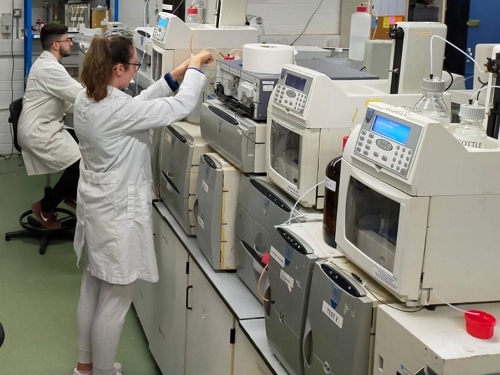
Ion Chromatography
A Dionex ICS-3000 system that is equipmed with electrochemical, conductivity, and ultraviolet-visible detectors.
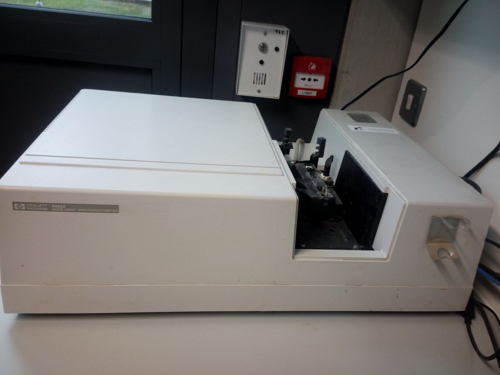
UV-Vis Spectrophotometer
A HP 8452A Ultraviolet-Visible spectroscopy device that is used for the determination of the acid soluble lignin concentration of the acid hydrolysate of samples.
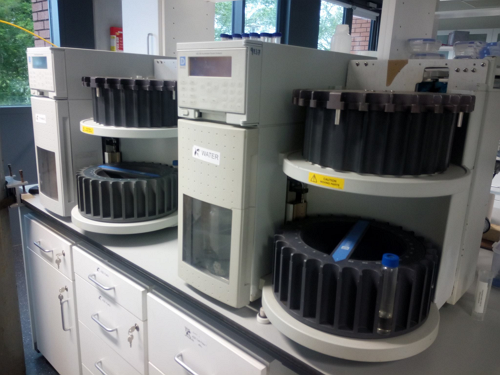
Solvent Extractor
Dionex ASE-200 devices are used to determine the extractives (water-soluble, ethanol-soluble) contents of biomass samples.
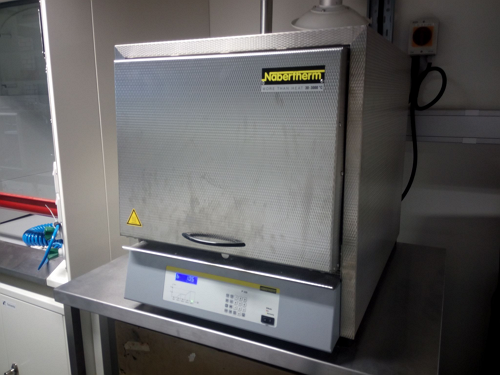
Muffle Furnace
A Nabertherm furnace is used for the determination of the ash content of samples and also in the analytical protocol for determining Klason lignin content.
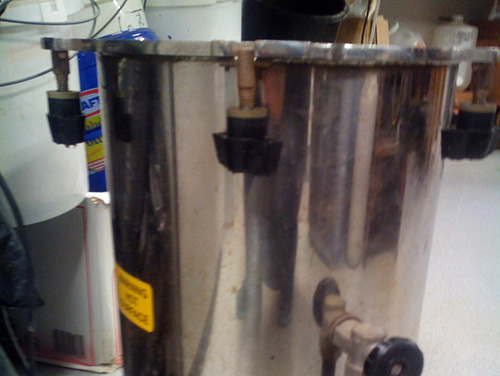
Autoclave
An autoclave is used in the protocols for the determination of the lignin and structural sugars (cellulosic and hemicellulosic) contents of samples.
Waste pulp was recovered from MRF rejects, purified, processed into paper sheets and laminated with polylactide (PLLA) films. The purification process employed produced waste pulp of different qualities. The mechanical properties of the resulting waste pulp fibre-reinforced laminated PLLA composites was indifferent to the type of waste pulp treatment used. All composites showed significant improvements over neat PLLA, highlighting the viability of using waste pulp as a potentially cheap and sustainable reinforcement for polymers. Lifecycle assessment further showed that the composites possessed lower net global warming potential, as well as the end-point impact categories of human health and ecosystem quality compared to neat PLLA. This is due to the higher mechanical performance of the composites, which leads to higher weight saving of the functional unit. Our work paves the way for the use of pulp rejects from the recycling process for higher value applications, diverting them from landfill or incineration. | ||
Knowing the accurate composition of biomass is of crucial importance in order to assess and decide on the use and processes to be applied to specific biomass types. In this study, the composition of the lignocellulosic constituents present in forestry, agricultural and underutilised waste residues was assessed. Considering the increased interest on hemicellulose fractions for application in biomaterials and biomolecules, large emphasis has been given in detailing the monomeric constituents of the hemicellulose polymer. Lignin and cellulose, the two other major components of lignocellulosic biomass, were analysed and correlated with the trends in the other constituents. In the samples analysed, the total structural sugars content ranged from 26.0 to 67.5% of the biomass dry weight, indicating high variation between different feedstock and fractions. Hemicellulose concentration and composition also varied significantly (from 38.8% in birch (Betula Pendula Roth) foliage to 22.0 % in rice (Oryza sativa L.) straw) between the feedstock types and within the same feedstock type between different species and different fractions. The extractives content varied greatly between the different species (from 2.66 % to 30.47 % of the biomass dry weight) with high contents in certain fractions of feedstock suggesting more detailed compositional analysis of these extracts is warranted. | ||
As the utilization and consumption of lignocellulosic biomass increases, so too will the need for an adequate supply of feedstock. To meet these needs, novel waste feedstock materials will need to be utilized. Exploitation of these novel feedstocks will require information both on the effects of solvent extraction on the succeeding analysis of potential novel feedstocks and how accurate current methodologies are in determining the composition of novel lignocellulosic feedstocks, particularly the carbohydrate and lignin fractions. In this study, the effects of solvent extraction on novel feedstocks, including tree foliage, tree bark and spent mushroom compost, with 95% ethanol, water and both sequentially were examined. Chemical analyses were carried out to determine the moisture content, ash, extractives, post-hydrolysis sugars, Klason lignin (KL) and acid-soluble lignin (ASL) within the selected feedstocks. The result of extraction could be seen most strongly for Klason lignin, with a strong association between higher levels of Klason lignin levels and greater amounts of non-removed extractives (tree foliage and bark). Higher Klason lignin levels are reported to be due the condensation of non-removed extractives during hydrolysis, hence the lower Klason lignin determinations following extraction are more exact. In addition, total sugar determinations were lower following extractions. This is because of the solubility of non-cell-wall carbohydrates; thus, the determinations following extraction are more accurate representations of structural cell-wall polysaccharides such as cellulose. Such determinations will assist in determining the best way to utilize … | ||
Preheating with hot air at 85-125 C was evaluated for its effectiveness in removing terpenes and terpenoids in softwood sawdust, thereby enhancing fungal preprocessing and subsequent saccharification of softwood-based mushroom substrates. Sawdust from pine (Pinus sylvestris L.) and spruce (Picea abies (L.) H. Karst.) was preheated prior to shiitake (Lentinula edodes (Berk.) Pegler) cultivation. Preheating removed up to 96?% of terpenes in pine- based substrates and up to 50?% in spruce-based substrates. Additionally, preheating decreased total terpenoids content in spruce by up to 78?%. For the pine-based substrate, the mild heating generally led to faster colonisation and improved mushroom yield, with the fastest mycelia colonisation and highest yield observed for 105 C treatment. This temperature was associated with the lowest content of total terpenes and absence of major monoterpenes. The content of terpenes and terpenoids continued to decrease during cultivation, alongside fungal degradation of lignocellulose. As a result of more extensive lignin degradation, the enzymatic digestibility of cellulose was higher for spruce-based spent mushroom substrate than for pine-based one (up to 89?% vs. 49?% conversion). Enzymatic digestibility showed a negative correlation with the a-pinene content, and a positive correlation with increasing preheating temperatures. | |
The reaction mechanism and kinetics of the sulfuric acid catalysed ethanolysis of glucose, cellulose, xylan, and corncob were investigated using a combination of experiments and empirical reaction mechanism modelling. The experimental study was carried out in ethanol at various temperatures between 150 C and 200 C. Ethanol mediates the depolymerisation and formation of ethyl levulinate from the carbohydrates in the substrates. Ethanol itself is converted to the corresponding ether in a parallel acid-catalysed condensation reaction. The complementary synergistic thermal and combustion properties of the main components in the resulting mixture, ethyl levulinate, diethyl ether, and ethanol, create the potential for the use of the product mixture as a tailored drop-in biofuel. The concentrations of the main species in the product mixtures from the reaction experiments were used to build a hierarchical surrogate kinetic model based on feedstock composition. The reaction mechanism provided to the surrogate kinetic model is informed by a comparative experimental mechanistic study of the ethanolysis of glucose and fructose. The study shows that the major reaction species formed from glucose ethanolysis are ethyl glucoside and ethyl levulinate, whereas fructose ethanolysis primarily forms 5-hydroxymethylfurfural, 5-ethoxymethylfurfural, ethyl fructoside and ethyl levulinate. The study shows that fructose produces a higher yield of ethyl levulinate than glucose and that fructose does so at a rate approximately ten times faster than glucose. The rate of formation of both ethyl levulinate and diethyl ether increases with increasing temperature. The maximum yields (mass%) of ethyl levulinate achieved from the ethanolysis of glucose, cellulose, xylan, and corncob are 39.3, 39.1, 7.9, and 18.6%, respectively. Ethyl levulinate yields reach a maximum steady state value for each feedstock that is independent of temperature. The conversion of the model compounds, glucose, cellulose, and xylan, to ethyl levulinate in the presence of ethanol and sulfuric acid is a catalytic process. However, for corncob, the yield of ethyl levulinate is dependent on the concentration of sulfuric acid in the reaction. This effect is also observed in the mass fraction of diethyl ether formed, indicating that the hydrogen cation supplied by sulfuric acid is not being fully replenished in the corncob ethanolysis process. A corncob[thin space (1/6-em)]:[thin space (1/6-em)]acid mass ratio of 10[thin space (1/6-em)]:[thin space (1/6-em)]1 is identified as a sufficient sulfuric acid concentration to achieve a maximum steady state yield of ethyl levulinate. An empirical analysis of the experimental data show that the apparent activation energies of the global reaction of glucose to ethyl levulinate and ethanol to diethyl ether are 21.5 and 23.0 kcal mol-1, respectively. The hierarchical surrogate kinetic model for the ethanolysis of corncob based on its composition of cellulose, hemicellulose, and lignin was developed and has an overall R2 value of 0.88. The model was exercised to predict the major trends of the reaction system at various hypothetical conditions, demonstrating its utility as tool for process development. | |
We report a simple procedure to produce carboxylated cellulose nanocrystals (CNCs) from grassy biomass (Miscanthus X Giganteus) using a two-step approach consisting of biomass fractionation with a protic ionic liquid followed by oxidation of the resulting cellulose-rich pulps with H2O2. The impact of the fractionation severity on the composition, structure, size, thermal stability, crystallinity, and degree of polymerization of the CNCs was evaluated. It was found that fractionation severity had a large impact on the pulp purity and its reactivity during the oxidation stage. Nevertheless, the impact on the properties of the final CNCs was small. CNCs were recovered as suspensions of negatively charged, electrostatically stable, needle-like CNCs with a lower degree of crystallinity (58-61%) compared to the precursor pulps (65-69%). The presence of carboxyl groups on the surface of the CNCs facilitated the stability of the suspensions but also caused a slight decrease in the thermal stability of the CNCs. A milder oxidation process followed by ultrasonication allowed us to maximize the production of CNCs while better preserving the degree of crystallinity of the cellulose (63%). | |
Hydrothermal carbonization (HTC) research has mainly focused on primary char production, with limited attention to secondary char, which is formed through polymerization and condensation of dissolved organic compounds in the liquid phase. This research aims to address this gap via an experimental investigation of the impact of stirring on the mass and carbon balance of HTC reaction products, surface functional groups, and surface morphology of secondary char, using fructose as a model compound. A 3D hydrodynamic simulation model was developed for a two-liter HTC stirred reactor. The experimental results indicated that stirring did not significantly influence the pH, mass, carbon balance, and surface functional groups of secondary char produced under the range of experimental conditions (180 C, 10% biomass to water (B/W) ratio, and a residence time of 0-120 min) studied. Nonetheless, it was observed that a stirring rate of 200 rpm influenced the morphology and shape of the secondary char microspheres, leading to a significant increase in their size i.e., from 1-2 um in unstirred conditions compared with 70 um at a stirring rate of 200 rpm. This increase in size was attributed to the aggregation of microspheres into irregular aggregates at stirring rates > 65 rpm and residence times > 1 h. The hydrodynamic model revealed that high turbulence of Re > 104 and velocities > 0.17 m s-1 correlated with regions of secondary char formation, emphasizing their role in particle aggregation. Particle aggregation is significant above a stirring rate of 65 rpm, which corresponds to the onset of turbulent flow in the reactor. Finally, a mechanism is proposed, based on reactor hydrodynamics under stirred conditions, that explains secondary char deposition on the reactor walls and stirrer. | |
Lignocellulosic residues (LRs) are one of the most abundant wastes produced worldwide. Nevertheless, unlocking the full energy potential from LRs for biofuel production is limited by their complex structure. This study investigated the effect of N-methylmorpholine N-oxide (NMMO) pretreatment on almond shell (AS), spent coffee grounds (SCG), and hazelnut skin (HS) to improve their bioconversion to methane. The pretreatment was performed using a 73% NMMO solution heated at 120 C for 1, 3, and 5 h. The baseline methane productions achieved from raw AS, SCG, and HS were 54.7 (+/- 5.3), 337.4 (+/- 16.5), and 265.4 (+/- 10.4) mL CH4/g VS, respectively. The NMMO pretreatment enhanced the methane potential of AS up to 58%, although no changes in chemical composition and external surface were observed after pretreatment. Opposite to this, pretreated SCG showed increased porosity (up to 63%) and a higher sugar percentage (up to 27%) after pretreatment despite failing to increase methane production. All pretreatment conditions were effective on HS, achieving the highest methane production of 400.4 (+/- 9.5) mL CH4/g VS after 5 h pretreatment. The enhanced methane production was due to the increased sugar percentage (up to 112%), lignin removal (up to 29%), and loss of inhibitory compounds during the pretreatment. An energy assessment revealed that the NMMO pretreatment is an attractive technology to be implemented on an industrial scale for energy recovery from HS residues. | |
Value added lignin rich waste sludges from biorefinery processes are, as yet untapped valuable feedstocks that can be reformed into clean, high quality solid fuels. By water washing sludges produced from base hydrolyzed waste, a material stripped of water-soluble alkali and alkaline earth metals (ash) can be obtained. This work shows how leached bagasse, barley and wheat straw sludges can be valorised into clean, low ash solid biofuels that can be used to supplement global energy demands. Repurposed lignin rich sludges of 1.00-2.00mm particle size feedstocks were found to exhibit calorific values +17.3%, +16.8% and +11.7% for bagasse, wheat, and barley straw sludges, respectively higher than their untreated waste counterparts. Additionally, by employing densification in the absence of a binder, <0.25mm particles of leached sludge feedstocks were found to experience 16.0% (bagasse), 12.0% (wheat) and 4.0% (barley) increases to their calorific values. This provides options for sustained energy from waste production and consumption campaigns, diversifying feedstock options for green solid fuels | |
The importance of reducing the strong dependence of the chemical industry on fossil feedstock is no longer a debate. Above-the-ground carbon is abundant, but scalable technologies to supply alternatives to fossil-fuel-derived chemicals and/or materials at the world scale are still not available. Lignocellulosic biomass is the most available carbon source, and a first requirement for its valorization is the complete saccharification of its sugar-bearing components. HCl-based technologies can achieve this at 20 C and ambient pressure. These principles were disclosed in the 1920s, but the inability to economically separate sugars from acids impeded its commercialization. Avantium Chemicals B.V. developed a modern version of this 'Bergius' highly concentrated acid hydrolysis, in which the saccharides in HCl are transformed into furanics without any prior purification, in particular, to 5-(chloromethyl)furfural (CMF). Saccharide conversion to CMF was developed by Mascal in the early 2000s. CMF is extracted in situ using immiscible organic solvents, allowing for an easy product separation. This study not only targets to investigate the viability and optimization of this integrated process but also aims to predict the outcome of the CMF formation reaction by applying design of experiment techniques from the hydrolyzed saccharides varying a broad range of reaction parameters. | |
Coconut Coir Pith (CCP) is a relatively unexplored type of lignocellulosic waste from the coconut industry. As a feedstock that is highly enriched in lignin (Klason lignin content of 40.9 wt % found in this study), CCP is a potential source for renewable lignin-derived materials. We have performed a systematic study on the characterization and valorization of lignin from CCP. We have investigated two different valorization approaches: reductive catalytic fractionation (RCF) and soda pulping followed by catalytic hydrodeoxygenation. During RCF, the lignin was converted into monomeric products in 7.6 wt %. Using soda pulping conditions, we were able to isolate lignin from CCP in 74% yield. Subsequent hydrotreatment of the lignin over a Pt/MoO3/TiO2 catalyst resulted in the formation of hydrogenated oil in 43 wt % yield, suitable for the production of biobased diesel fuels and lubricant base oils. | |
Acetone organosolv fractionation of beech and birch wood at the lab-scale results in high sugar yields from the (hemi)cellulose and the isolation of a high-purity lignin. In this study, the process is scaled up to validate the technology at the pilot scale using industrial-size beech and birch wood chips and low liquid-to-solid ratios as a next step toward commercialization. Translation of the fractionation process to the pilot-scale showed a similar performance as compared to the lab-scale processing with a good conversion of the wood polymeric pentoses to mostly monomeric sugars and a high delignification. Continuous lignin precipitation by solvent evaporation using the LigniSep process resulted in the formation of nonsticky lignin aggregates with a good filterability. The improved lignin yields and advanced process design as compared to the traditional dilutive lignin precipitation approaches are likely to translate to a better process economy. The pulp washing efficiency and the recovery of (nonprecipitable) lignin from the aqueous hemicellulose stream still need to be improved for an efficient process design. However, the fractionation performance and high product concentrations in the spent liquor provide an excellent start position for improved process design at the commercial scale. | |
Lignocellulosic materials (LMs) are abundant feedstocks with excellent potential for biofuels and biocommodities production. In particular, nut and coffee wastes are rich in biomolecules, e.g. sugars and polyphenols, the valorisation of which still has to be fully disclosed. This study investigated the effectiveness of ultrasounds coupled with hydrothermal (i.e. ambient temperature vs 80 C) and methanol (MeOH)-based pretreatments for polyphenols and sugar solubilisation from hazelnut skin (HS), almond shell (AS), and spent coffee grounds (SCG). The liquid fraction obtained from the pretreated HS was the most promising in terms of biomolecules solubilisation. The highest polyphenols, i.e. 123.9 (+/-2.3) mg/g TS, and sugar, i.e. 146.0 (+/-3.4) mg/g TS, solubilisation was obtained using the MeOH-based medium. However, the MeOH-based media were not suitable for direct anaerobic digestion (AD) due to the MeOH inhibition during AD. The water-based liquors obtained from pretreated AS and SCG exhibited a higher methane potential, i.e. 434.2 (+/-25.1) and 685.5 (+/-39.5) mL CH4/g glucosein, respectively, than the HS liquors despite having a lower sugar concentration. The solid residues recovered after ultrasounds pretreatment were used as substrates for AD as well. Regardless the pretreatment condition, the methane potential of the ultrasounds pretreated HS, AS, and SCG was not improved, achieving maximally 255.4 (+/-7.4), 42.8 (+/-3.3), and 366.2 (+/-4.2) mL CH4/g VS, respectively. Hence, the solid and liquid fractions obtained from HS, AS, and SCG showed great potential either as substrates for AD or, in perspective, for biomolecules recovery in a biorefinery context. | |
The drive towards a low carbon economy will lead to an increase in new lignocellulosic biorefinery activities. Integration of biorefinery waste products into established bioenergy technologies could lead to synergies for increased bioenergy production. In this study, we show that solid residue from the acid hydrolysis production of levulinic acid, has hydrochar properties and can be utilised as an Anaerobic Digestion (AD) supplement. The addition of 6 g/L solid residue to the AD of ammonia inhibited chicken manure improved methane yields by +14.1%. The co-digestion of biorefinery waste solids and manures could be a promising solution for improving biogas production from animal manures, sustainable waste management method and possible form of carbon sequestration | |
Miscanthus giganteous is probably the most fast growing and low nutrient bioenergy crop among lignocellulosic feedstocks. Despite its significant content in fermentable sugars, currently Miscanthus biomass is not used for biogas/methane production due to the high-lignin and low moisture content in the winter/spring harvest as well as cellulose crystallinity, which limit access to enzymatic action for all lignocellulosic feedstock. This study identified that a photocatalytic pretreatment prior to anaerobic digestion helps increase the substrate's biodegradability by oxidising the lignin fraction, leading to increased methane yield up to 46% compared to the untreated. A novel photocatalyst was manufactured by reactive magnetron-sputtering deposition of TiO2 particles onto natural zeolite supports, which provided important trace elements for the anaerobic digestion process and retained a large surface area that acted as biofilm to boost growth of the microbial community. A load of 2% w/w catalyst in the bioreactor after 3 h of photocatalytic treatment led to 220 mLN gVS-1, with a net energy balance that is achieved for the whole process when treating the dispersed phase suspension at concentrations above 10 g m-3. | |
Large-scale production of biofuels and chemicals will require cost-effective, sustainable, and rapid deconstruction of woody biomass into its constituent sugars. Here, we introduce a novel two-step liquefaction process for producing fermentable sugars from red oak using a mixture of tetrahydrofuran (THF), water and dilute sulfuric acid. THF promotes acid-catalyzed solubilization of lignin and hemicellulose in biomass achieving 61% lignin extraction and 64% xylose recovery in a mild pretreatment step. The pretreatment opens the structure of biomass through delignification and produces a cellulose-rich biomass, which is readily solubilized at low temperature giving 65% total sugar yields in a subsequent liquefaction process employing the same solvent mixture. This process achieves competitive sugar yields at high volumetric productivity compared to conventional saccharification methods. THF, which can be derived from renewable resources, has several benefits as solvent including ease of recovery from the sugar solution and relatively low toxicity and cost. | |
This study compared the effects of hot-air pasteurisation (HAP) at 75-100 C versus autoclaving at 121 C and 2 bar overpressure on the lignocellulosic degradation process of birch-based substrates that were used for shiitake mushroom cultivation and potential bioethanol production. Fifty substrate samples were obtained as a time series from different stages of the cultivation, and their chemical contents were measured by chemical analysis and near infra-red spectroscopy (NIR). Despite of different energy intensities, HAP and autoclaving did not result in significant differences in the degradation of lignin and carbohydrates. Major compositional changes were associated with the cultivation process. Principal component analysis on the wet chemical data and orthogonal projections to latent structures based on NIR spectra reached the same conclusion, namely that HAP had similar effect as autoclaving on compositional changes in the substrate during cultivation. The results of this study suggest that a substitution of autoclaving by HAP may potentially save up to 9.9 TWh energy for the global production of 7.5 million ton shiitake. At the same time, lignocellulose feedstock can be pretreated for the production of up to 3.24 million m3 of 95%-ethanol fuels, which can potentially substitute proximate 1.88 million m3 of regular gasoline. | |
Catalytic hydropyrolysis of beech wood has been conducted in a fluid bed reactor at 450 C with a sulfided CoMo catalyst followed by a fixed bed hydrodeoxygenation (HDO) reactor with a sulfided NiMo catalyst at hydrogen pressures between 3.0 and 35.8 bar. Using both reactors the condensable organic yield (condensed organic and C4+ in gas) varied between 18.7 and 21.5 wt% dry ash free basis (daf) and was independent of the hydrogen pressure. At 15.9 bar hydrogen or higher the condensed organic phase was essentially oxygen free (<0.01 wt% dry basis (db)), but decreasing the hydrogen pressure to 3.0?bar increased the oxygen content to 7.8 wt% db. The char and coke yield was close to constant (11.0-12.7 wt% daf) at hydrogen pressures between 15.9 and 35.8 bar, but increased to 15.7 wt% at 3.0 bar hydrogen due to an increase in the polymerization of pyrolysis vapors. The measured carbon content on the spent catalysts from both the fluid bed and HDO reactor showed that coking of the catalysts increased when the hydrogen pressure was decreased below 15.9 bar. The increased coking at low hydrogen pressure (<15.9 bar) was ascribed to the polymerization of the more reactive oxygenates produced in the fluid bed reactor. | |
In the present paper, we introduce an end-to-end workflow called joint and unique multiblock analysis (JUMBA), which allows multiple sources of data to be analyzed simultaneously to better understand how they complement each other. In near-infrared (NIR) spectroscopy, calibration models between NIR spectra and responses are used to replace wet-chemistry methods, and the models tend to be instrument-specific. Calibration-transfer techniques are used for standardization of NIR-instrumentation, enabling the use of one model on several instruments. The current paper investigates both the similarities and differences among a variety of NIR instruments using JUMBA. We demonstrate JUMBA on both a previously unpublished data set in which five NIR instruments measured mushroom substrate and a publicly available data set measured on corn samples. We found that NIR spectra from different instrumentation largely shared the same underlying structures, an insight we took advantage of to perform calibration transfer. The proposed JUMBA transfer displayed excellent calibration-transfer performance across the two analyzed data sets and outperformed existing methods in terms of both prediction accuracy and stability. When applied to a multi-instrument environment, JUMBA transfer can integrate all instruments in the same model and will ensure higher consistency among them compared with existing calibration-transfer methods. | |
Levoglucosan has significant potential in commercial applications for the synthesis of polymers, solvents and pharmaceuticals. It is currently overlooked for commercial applications due to its high cost of synthesis and purification. We have developed a system to produce pure crystals of levoglucosan based on the fast pyrolysis of lignocellulosic biomass. A novel bio-oil recovery system concentrated levoglucosan along with other anhydrosugars, sugars and phenolic compounds in a non-aqueous 'heavy ends' fraction. Liquid-liquid water extraction separated sugar-rich solubilized carbohydrates from non-soluble phenolic compounds. The solubilized carbohydrate fraction, contaminated with partially soluble phenolic monomers, was filtered through Sepabeads SP207 adsorption resin to produce clarified juice. The composition of the clarified juice on a dry basis after resin filtration and rotary evaporation was 81.2% sugars, 4.45-4.60% volatile non-sugar, 1.71% carboxylic acids and 12.5-12.6% unidentified compounds, which was sufficiently pure to crystallize the sugars by evaporation. A cold solvent rinse of the crystal mass separated and purified levoglucosan from other sugars. Levoglucosan purity was 102.5% +/- 3.109% at the 99% confidence level. Techno-economic analysis of a plant pyrolyzing 250 tonne per day of pretreated biomass to produce cellulosic sugars indicated a minimum selling price (MSP) for pure levoglucosan crystals of $1333 per MT, which is less than one-tenth its current average market price. Operating hours of the plant, fermentable syrup yield and fixed capital are the most significant parameters affecting MSP. | |
The main goal of this work was to determine the differences in the composition of the surface and bulk of lignocellulosic feedstock subjected to torrefaction. Miscanthus x giganteus and Willow were used as widely available types of second generation of biomass. The surface of the samples was primarily characterized by time-of-flight secondary ion mass spectrometry. The bulk of the investigated biomass was analyzed by Fourier transform infrared spectroscopy, thermogravimetry and classical chemical methods. The results obtained show that the destruction of the surface of both Miscanthus x giganteus and Willow begin at lower temperature than that observed for the bulk. Moreover, in the case of Miscanthus x giganteus the possibility of the partial surface decomposition of not only the hemicellulose and cellulose but also lignin structure is pointed out. The observed differences between the behavior of the uppermost and deeper layers of the studied biomass samples indicate that the efficiency of their thermal degradation is different and should be taken into account when discussing the torrefaction process. | |
Catalytic hydropyrolysis of beech wood was conducted in a fluid bed reactor at 450 C and a total pressure of 26 bar. The differences in hydrodeoxygenation activity, selectivity, and the resulting product compositions between sulfided Mo/MgAl2O4, CoMo/MgAl2O4, and NiMo/MgAl2O4 catalysts have been investigated. The acidity and molybdate species in the oxide catalyst precursors were characterized with ammonia temperature programmed desorption and Raman spectroscopy. The spent sulfided catalysts were also extensively characterized by scanning electron microscopy (SEM) and by scanning transmission electron microscopy (STEM) coupled with energy dispersive X-ray spectroscopy (EDS). The catalytic hydropyrolysis of beech wood produced four kinds of products: Liquid organic and aqueous phases, solid char, and gases. The solid char and aqueous phase yields were not affected by the type of catalyst. The sum of condensed organics and C4+ gas yield varied between 24.3 and 26.4 wt % on dry, ash free basis (daf) and was highest for the Mo catalyst and lowest for the NiMo catalyst. The NiMo catalyst had the highest hydrogenation, cracking, and decarbonylation activity. The oxygen content in the condensed organic phase was between 9.0 and 12 wt % on dry basis (db) and was lowest for the CoMo catalyst and highest for the Mo catalyst. The carbon recovery in the condensable organics was 39% for both the CoMo and the Mo, and 37% for the NiMo catalyst. These results indicate that the CoMo, due to its high deoxygenation activity and high carbon recovery, is the most suitable catalyst for catalytic hydropyrolysis. The carbon content on the spent CoMo was between 1.5 and 3.3 wt % and between 0.9 and 3.1 wt % on the spent NiMo catalyst, but between 5.0 and 5.5 wt % on the spent Mo catalyst. The higher carbon content on the spent Mo catalyst was probably due to its lower deoxygenation and hydrogenation activity. Calcium particles and small amounts of potassium (<=1.5 wt %) were detected on all spent catalysts using STEM-EDS, showing that alkali metals are transferred from the biomass to the catalyst, which potentially could lead to catalyst deactivation. | |
Eucalypts can be very productive when intensively grown as short rotation woody crops (SRWC) for bioproducts. In Florida, USA, a fertilized, herbicided, and irrigated cultivar planted at 2471 trees/ha could produce over 58 green mt/ha/year in 3.7 years, and at 2071 trees/ha, its net present value (NPV) exceeded $750/ha at a 6% discount rate and stumpage price of $11.02/green mt. The same cultivar grown less intensively at three planting densities had the highest stand basal area at the highest density through 41 months, although individual tree diameter at breast height (DBH) was the smallest. In combination with an organic fertilizer, biochar improved soil properties, tree leaf nutrients, and tree growth within 11 months of application. Biochar produced from Eucalyptus and other species is a useful soil amendment that, especially in combination with an organic fertilizer, could improve soil physical and chemical properties and increase nutrient availability to enhance Eucalyptus tree nutrition and growth on soils. Eucalypts produce numerous naturally occurring bioproducts and are suitable feedstocks for many other biochemically or thermochemically derived bioproducts that could enhance the value of SRWCs. | |
This study investigates the effect of high-temperature pyrolysis and post-treatment processes on spruce and oak charcoal yields and CO2 reactivity in a slow pyrolysis reactor. Post-treatment processes such as co-pyrolysis of biomass and recirculated tar mixture with that to the distillation of the charcoal-tar blend gave similar increase in charcoal yields. From a technological standpoint, co-pyrolysis of charcoal and tar mixture decreased the CO2 reactivity of the charcoal approaching that of fossil-based coke. This emphasize the importance of tar addition and high temperature treatment on charcoal properties. Moreover, the findings of this work show the potential use of the tar organic fractions as a binder that can be used for the charcoal pellet preparation. The results are promising as they show that the charcoal-based pellets have comparable properties of pellets from herbaceous biomass leading to the cost reduction in charcoal transportation and storage. | |
Hot-air (75-100 C) pasteurisation (HAP) of birch-wood-based substrate was compared to conventional autoclaving (steam at 121 C) with regard to shiitake growth and yield, chemical composition of heat-pretreated material and spent mushroom substrate (SMS), enzymatic digestibility of glucan in SMS, and theoretical bioethanol yield. Compared to autoclaving, HAP resulted in faster mycelial growth, earlier fructification, and higher or comparable fruit-body yield. The heat pretreatment methods did not differ regarding the fractions of carbohydrate and lignin in pretreated material and SMS, but HAP typically resulted in lower fractions of extractives. Shiitake cultivation, which reduced the mass fraction of lignin to less than half of the initial without having any major impact on the mass fraction of glucan, enhanced enzymatic hydrolysis of glucan about four-fold. The choice of heating method did not affect enzymatic digestibility. Thus, HAP could substitute autoclaving and facilitate combined shiitake mushroom and bioethanol production. | |
Triodia, an endemic Australian grass genus of ?70 species inhabiting arid and monsoonal regions, is an abundant and underused biomass resource. Harsh environmental conditions have driven the evolution of adaptive extremophile traits, including uniquely high aspect ratio cellulose nanofibres (CNFs) and high hemicellulose content. In this study, we advance understanding of CNFs by comparing three Triodia species (four ecotypes) grown in their natural desert habitat or cultivated in an irrigated farm setting. We evaluated biomass production, morphological and biochemical responses to these contrasting growth environments, and analysed the properties of fabricated nanopaper to assess the impact of species and growth environment on the material properties. We hypothesised that growing Triodia plants in well-watered and fertilised cultivation would relax arid environmental cues and may result in less desirable material properties. Contrary to our hypothesis, nanopaper derived from cultivated plants showed no regression in material properties compared to plants grown in their natural habitat. For instance, we found: (1) cultivated 'soft' species had a daily yield of greater than 2?g of dry biomass per plant; (2) three of the four ecotypes tested had higher hemicellulose contents in cultivation; (3) and with this higher hemicellulose content, the biomass proved to be more amenable to fibrillation, as cultivated plants achieved a lower average fibre diameter product. Overall, this study adds to the existing knowledge on the material properties of the Australian desert grass Triodia and the potential for production in agronomic settings. Understanding and potentially manipulating the traits of Australian desert grasses for beneficial material properties will accelerate the development of bio-based products in the future. | |
This study presents the effect of lignocellulosic compounds and monolignols on the yield, nanostructure and reactivity of soot generated at 1250 C in a drop tube furnace. The structure of soot was characterized by electron microscopy techniques, Raman spectroscopy and electron spin resonance spectroscopy. The CO2 reactivity of soot was investigated by thermogravimetric analysis. Soot from cellulose was more reactive than soot produced from extractives, lignin and monolignols. Soot reactivity was correlated with the separation distances between adjacent graphene layers, as measured using transmission electron microscopy. Particle size, free radical concentration, differences in a degree of curvature and multi-core structures influenced the soot reactivity less than the interlayer separation distances. Soot yield was correlated with the lignin content of the feedstock. The selection of the extraction solvent had a strong influence on the soot reactivity. The Soxhlet extraction of softwood and wheat straw lignin soot using methanol decreased the soot reactivity, whereas acetone extraction had only a modest effect. | |
A catalytic process for the upgrading of woody biomass into mono-aromatics, hemi-cellulose sugars and a solid cellulose-rich carbohydrate residue is presented. Lignin fragments are extracted from the lignocellulosic matrix by cleavage of ester and ether linkages between lignin and carbohydrates by the catalytic action of homogeneous Lewis acid metal triflates in methanol. The released lignin fragments are converted into lignin monomers by the combined catalytic action of Pd/C and metal triflates in hydrogen. The mechanism of ether bond cleavage is investigated by lignin dimer models (benzyl phenyl ether, guaiacylglycerol-?-guaiacyl ether, 2-phenylethyl phenyl ether and 2-phenoxy-1-phenylethanol). Metal triflates are involved in cleaving not only ester and ether linkages between lignin and the carbohydrates but also B-O-4 ether linkages within the aromatic lignin structure. Metal triflates are more active for ?-O-4 ether bond cleavage than Pd/C. On the other hand, Pd/C is required for cleaving ?-O-4, 4-O-5 and B-B linkages. Insight into the synergy between Pd/C and metal triflates allowed optimizing the reductive fractionation process. Under optimized conditions, 55 wt% mono-aromatics - mainly alkylmethoxyphenols - can be obtained from the lignin fraction (23.8 wt%) of birch wood in a reaction system comprising birch wood, methanol and small amounts of Pd/C and Al(III)-triflate as catalysts. The promise of scale-up of this process is demonstrated. | |

See our pitches for the 2024 topics.
Lignin (Klason), Lignin (Acid Soluble), Acid Insoluble Residue, Ash (Acid Insoluble),
As P10 plus protein-corrected lignin, water-soluble sugars, uronic acids, acetyl content and starch.
Glucuronic Acid, Galacturonic Acid, Mannuronic Acid, Guluronic Acid, 4-O-Methyl-D-Glucuronic Acid, Iduronic Acid,
Total Sugars in Enzyme Hydrolysate, Glucose in Enzyme Hydrolysate, Xylose in Enzyme Hydrolysate, Arabinose in Enzyme Hydrolysate, Mannose in Enzyme Hydrolysate, Galactose in Enzyme Hydrolysate, Rhamnose in Enzyme Hydrolysate, Cellobiose in Enzyme Hydrolysate, Enzymatic Hydrolysis Kinetics, Cellulose Conversion Yield, Xylan Conversion Yield, Combined Sugar Yield, Cellulose Conversion Rate, Xylan Conversion Rate,
As P121 plus comparisons with data from the non-pretreated original sample, including: Increase in Cellulose Accessibility after Pre-Treatment, Percent Increase in Cellulose Conversion Efficiency, Percent Increase in Cellulose Conversion Rate.
As P9 but on the solid residue after enzymatic hydrolysis.
Formic Acid, Acetic Acid, Levulinic Acid, Furfural, Hydroxymethylfurfural,
Includes all hydrolysate sugars and kinetics in P121 and: Cellulose Conversion Yield, Cellulose Conversion Rate
Includes all hydrolysate sugars and kinetics in P121 and: Xylan Conversion Yield, Xylan Conversion Rate
Total Sugars in Enzyme Hydrolysate, Glucose in Enzyme Hydrolysate, Maltose in Enzyme Hydrolysate, a-Amylase Hydrolysis Kinetics, Glucoamylase Hydrolysis Kinetics,
Glucose, Xylose, Fructose, Sucrose, Mannose, Arabinose, Galactose, Rhamnose, Xylitol, Sorbitol, Trehalose, Mannitol, Arabinitol, Glycerol, Raffinose,
Levulinic Acid, Formic Acid, Hydroxymethylfurfural, Furfural, Acetic Acid, gamma-Valerolactone,
Xylobiose, Xylotriose, Arabinobiose, Arabinotriose,
Maltose, Maltotriose, Maltotetraose, Maltopentaose, Maltohexaose, Maltoheptaose, Maltooctaose,
Glucuronic Acid, Galacturonic Acid, Mannuronic Acid, Guluronic Acid, 4-O-Methyl-D-Glucuronic Acid, Iduronic Acid,
Gibberellic Acid, Indole-3-acetic acid, Indole-2-acetic acid, Indole-3-propionic acid, Indole-3-butyric acid, 6-Benzylaminopurine, Kinetin riboside, Abscisic acid, Salicylic acid,
beta-Carotene, Ergocalciferol (Vitamin D2), Alpha-tocopherol (vitamin E), Phylloquinone (Vitamin K1),
Thiamine (Vitamin B1), Riboflavin (Vitamin B2), Niacin (Vitamin B3), Niacinamide (vitamin B3), Pantothenic Acid (Vitamin B5), Pyridoxine (Vitamin B6), Folate (Vitamin B9), Cobalamin (Vitamin B12), Ascorbic Acid (Vitamin C),
Fucose, Mannitol, Glucose, Xylose, Mannose, Arabinose, Galactose, Rhamnose, Total Sugars, Glucuronic Acid, Galacturonic Acid, Mannuronic Acid, Guluronic Acid, Iduronic Acid,
Alanine, Arginine, Aspartic Acid, Asparagine, Cystine, Glutamic Acid, Glutamine, Glycine, Histidine, Isoleucine, Leucine, Lysine, Methionine, Phenylalanine, Proline, Serine, Threonine, Tryptophan, Tyrosine, Valine,
Aluminium, Calcium, Iron, Magnesium, Phosphorus, Potassium, Silicon, Sodium, Titanium,
Arachidic Acid, Behenic Acid, Decanoic Acid, Erucic Acid, Lauric Acid, Linoleic Acid, Linolenic Acid, Myristic Acid, Caprylic Acid, Oleic Acid, Palmitic Acid, Palmitoleic Acid, Stearic Acid, Lignoceric Acid,
Fucoxanthin, Astaxanthin, Chlorophyll-c, Chlorophyll-a, Chlorophyll-b, Lutein, beta-Carotene, Neoxanthin, Antheraxanthin, Violaxanthin,
Gibberellic Acid, Indole-3-acetic acid, Indole-2-acetic acid, Indole-3-propionic acid, Indole-3-butyric acid, 6-Benzylaminopurine, Kinetin riboside, Abscisic acid, Salicylic acid,
beta-Carotene, Ergocalciferol (Vitamin D2), Alpha-tocopherol (vitamin E), Phylloquinone (Vitamin K1),
Thiamine (Vitamin B1), Riboflavin (Vitamin B2), Niacin (Vitamin B3), Niacinamide (vitamin B3), Pantothenic Acid (Vitamin B5), Pyridoxine (Vitamin B6), Folate (Vitamin B9), Cobalamin (Vitamin B12), Ascorbic Acid (Vitamin C),
Chlorophyll-a, Chlorophyll-b, Lutein, beta-Carotene, Neoxanthin, Astaxanthin, Zeaxanthin, Antheraxanthin, Violaxanthin,
Biomethane Potential (BMP), Total Biogas Volume, Total Solids, Volatile Solids, pH, Biogas Methane Content, Biogas Carbon Dioxide Content, Biogas Oxygen Content, Biogas Hydrogen Sulphide Content, Biogas Ammonia Content,
Total Solids, Volatile Solids, pH, Chemical Oxygen Demand (COD), Phosphorus, Potassium, Ammonia, Carbon, Hydrogen, Nitrogen, Sulphur,
Total Solids, Volatile Solids, pH, Chemical Oxygen Demand (COD), Phosphorus, Potassium, Ammonia, Carbon, Hydrogen, Nitrogen, Sulphur,
Residual Biogas Potential (RBP), Total Biogas Volume, Total Solids, Volatile Solids, pH, Biogas Methane Content, Biogas Carbon Dioxide Content, Biogas Oxygen Content, Biogas Hydrogen Sulphide Content, Biogas Ammonia Content,
Acetic Acid, Lactic Acid, Propionic Acid, Butyric Acid, Isobutyric Acid, Valeric Acid, Isovaleric Acid,
Levoglucosan, Cellobiosan, Mannosan, Galactosan, Glucose, Xylose, Mannose, Arabinose, Galactose, Rhamnose, Fucose, Sucrose, Cellobiose, Total Sugars,
31 constituents including Phenol, Furfural, Syringol, and Vanillin
Specific Surface Area (Nitrogen Gas Adsorption), BET Isotherm (5 Point Using Nitrogen),
Specific Surface Area (Nitrogen Gas Adsorption), BET Isotherm (20 Point Using Nitrogen), Pore Volume (Using Nitrogen), Pore Size Distribution (Using Nitrogen), Average Pore Width (Using Nitrogen),
Specific Surface Area (Nitrogen Gas Adsorption), BET Isotherm (40 Point Using Nitrogen), Pore Volume (Using Nitrogen), Pore Size Distribution (Using Nitrogen), Average Pore Width (Using Nitrogen),
Gross Calorific Value, Net Calorific Value, Ash, Carbon, Hydrogen, Nitrogen, Sulphur, Oxygen,
Aluminium, Calcium, Iron, Magnesium, Phosphorus, Potassium, Silicon, Sodium, Titanium,
Antimony, Arsenic, Cadmium, Chromium, Cobalt, Copper, Lead, Manganese, Mercury, Molybdenum, Nickel, Vanadium, Zinc,
Ash Shrinkage Starting Temperature (Reducing), Ash Deformation Temperature (Reducing), Ash Hemisphere Temperature (Reducing), Ash Flow Temperature (Reducing),
Moisture, Ash Content (815C), Carbon, Hydrogen, Nitrogen, Sulphur, Oxygen, Chlorine, Volatile Matter, Fixed Carbon, Aluminium, Calcium, Iron, Magnesium, Phosphorus, Potassium, Silicon, Sodium, Titanium, Gross Calorific Value, Net Calorific Value, Ash Shrinkage Starting Temperature (Reducing), Ash Deformation Temperature (Reducing), Ash Hemisphere Temperature (Reducing), Ash Flow Temperature (Reducing),
As P393 plus inorganic carbon, organic carbon, TGA (under nitrogen and air), and inherent moisture
Aluminium, Calcium, Iron, Magnesium, Phosphorus, Potassium, Silicon, Sodium, Titanium,
Antimony, Arsenic, Cadmium, Chromium, Cobalt, Copper, Lead, Manganese, Mercury, Molybdenum, Nickel, Vanadium, Zinc,
Acenaphthene, Acenaphthylene, Anthracene, Benz[a]anthracene, Benzo[b]fluoranthene, Benzo[k]fluoranthene, Benzo[ghi]perylene, Benzo[a]pyrene, Chrysene, Dibenz[a,h]anthracene, Fluoranthene, Fluorene, Indeno[1,2,3-cd]pyrene, 1-Methylnaphthalene, 2-Methylnaphthalene, Naphthalene, Phenanthrene, Pyrene,
Time to Germination, Mean Shoot Length (Week 1), Mean Shoot Length (Week 2), Mean Shoot Length (Week 3), Mean Shoot Length (Week 4), Shoot Weight (Week 4), Mean Root Length (Week 4), Root Weight (Week 4),
As Deluxe package plus P383, SEM Imaging (P387) and Plant Growth Trials (P388)
Includes everything from P391 (Physical Properties Ultimate), P394 (Thermal Properties Ultimate), and P397 (Soil Amendment Ultimate)
Gross Calorific Value, Net Calorific Value, Ash, Carbon, Hydrogen, Nitrogen, Sulphur, Oxygen,
Aluminium, Calcium, Iron, Magnesium, Phosphorus, Potassium, Silicon, Sodium, Titanium,
Antimony, Arsenic, Cadmium, Chromium, Cobalt, Copper, Lead, Manganese, Mercury, Molybdenum, Nickel, Vanadium, Zinc,
Volatile Matter, Fixed Carbon, Moisture, Ash, Carbon, Hydrogen, Nitrogen, Sulphur, Oxygen, Gross Calorific Value, Net Calorific Value, Chlorine,
Ash Shrinkage Starting Temperature (Oxidising), Ash Deformation Temperature (Oxidising), Ash Hemisphere Temperature (Oxidising), Ash Flow Temperature (Oxidising),
Our Custom Chatbot is Integrated into the Celignis Database
We are proud to announce the launch of Celignis InSightAI, a powerful artificial intelligence (AI) tool developed by Celignis and integrated with the Celignis Database. It functions as a highly-customised chatbot, focused on providing insights and conclusions from the data displayed on the page. Once launched, and authorised by the user, it has access to the results presented on the Database page and the user can ask it questions about those results.
A 30-second video outlining some of its functionality is provided below.
Read...
We have secured funding for involvement in 2 collaborative research projects
We are very happy to announce that Celignis has been successful in 2 project proposals submitted for funding to the Circular Bio-based Europe Joint Undertaking (CBE JU) programme.
These projects will provide funding of 1m EUR to Celignis over the next few years and build upon the 4 projects (worth 1.6m EUR) we secured last year and the 3 projects (worth 1.5m EUR) secured in 2024.
The new projects are expected to start in the second quarter of 2026. More details will be provided about these projects in due course.
Celignis is a Full Industry Member of the Biobased Industries Consortium (BIC), which helps to steer the focus of research for the CBE-JU programme.
Click here to read about all of our current research projects and
Read...
Iowa-based Facility will Offer Our Services to US-Based Clients
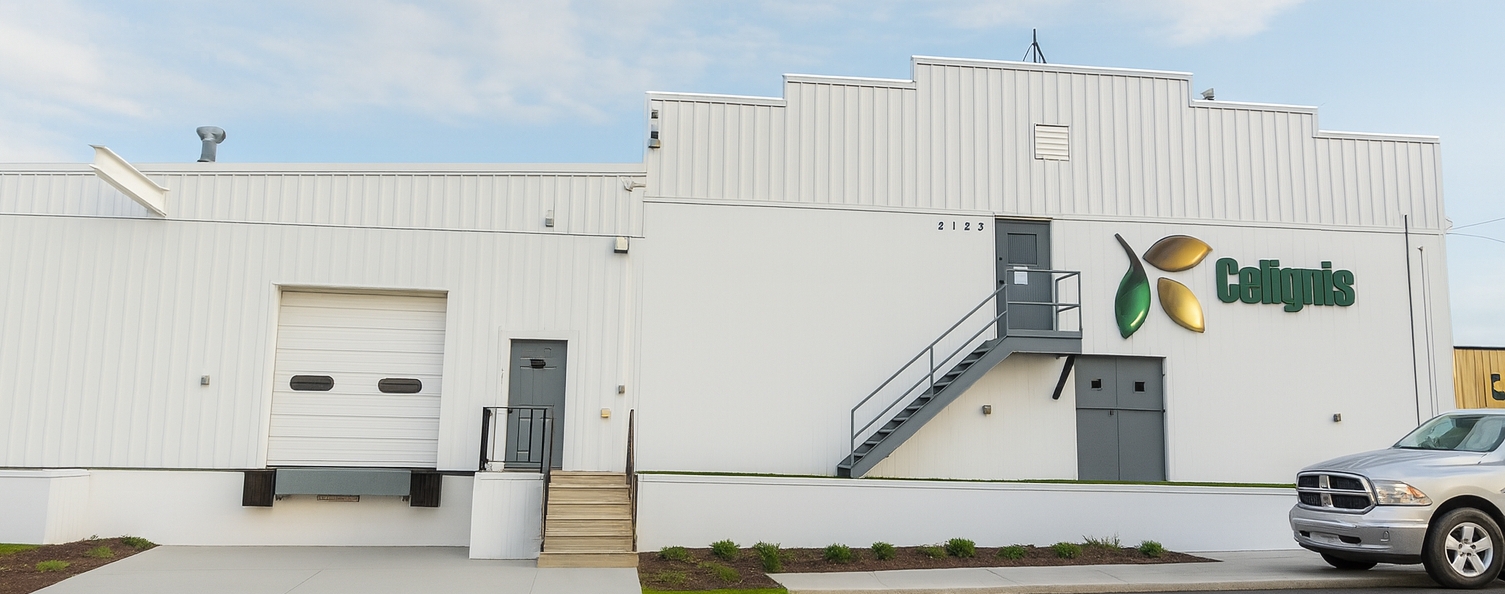
We're delighted to announce that today marks the official launch date of Celignis USA. This latest development in the extension of the Celignis family will offer all of Celignis's services to US-based clients. The 10,000 sq. ft facility is located in Waterloo, Iowa and leverages Celignis's 11 years of expertise in the bioeconomy.

Click here to read more about Celignis USA and our history leading to this point.
Read...
Articles cover bioprocess development as well as analytical services across many different sectors
We currently offer over 150 analysis packages, covering close to 400 different analytes. We have been proud to provide data to a diverse array of clients over the years, including many from research institutions. A recent literature search found a large number of peer-reviewed articles citing data provided by Celignis. These papers cover our
Read...