


SHP; SAP; and SMP
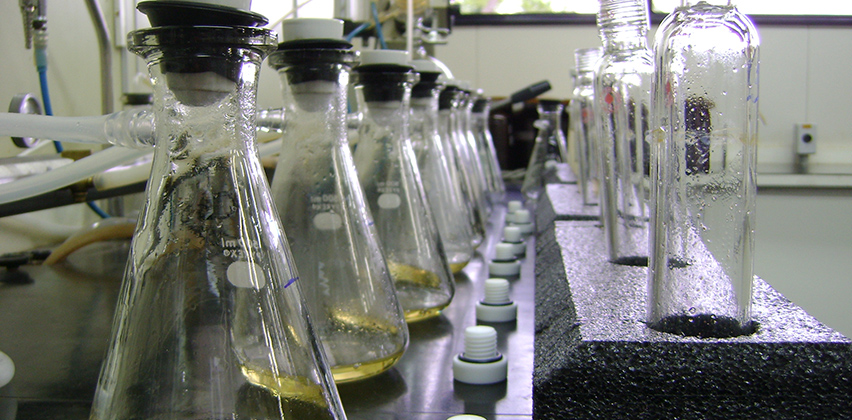
Specific Microbial Activity (SMA) tests investigate how well the microbial community within the anaerobic digester is able to move through each of the stages of digestion. This package covers three different tests on a sample taken from the digester, as detailed below:
1. The specific hydrolytic potential (SHP), also known as the specific hydrolysis activity, is one of a series of Specific Microbial Activity (SMA) tests that investigate how well the microbial community within the anaerobic digester is able to move through each of the stages of digestion.
The SHP is performed on the digester sample by subjecting it to standard polymeric substrates, such as starch or cellulose, with the selection of these polymers being based on the feedstock used in the AD plant. For example, for an AD plant using grass as a feedstock, cellulose will be the standard polymeric sugar, whilst for an AD plant using FOG (fats oils and greases) pure vegetable oil will be used as the polymeric feedstock.
The biomethane produced from the standard feedstock using the digester sample is compared against the theoretical biomethane potential. The rate of gas production is determined which then allows the specific hydrolytic potential of the digester to be calculated.
2. The specific acidogenic potential (SAP) is performed on the digester sample by using glucose as the digestion substrate in order to determine the ability of the microbiome in the digester sample to convert it to methane. The rate of gas production is determined which allows us to provide the SAP of the digester.
3. The specific methanogenic potential (SMP) investitages the final stage of the AD process and is performed on the digester sample by using sodium acetate as the digestion substrate in order to determine the ability of the microbiome in the digester sample to convert it to methane. The rate of gas production is determined which allows us to provide the SMP of the digester.
Constituents Determined
For every constituent determined via wet-chemical analysis each sample is analysed in duplicate and we provide the compositional data for each replicate along with the average value and the standard deviation between the duplicates. Our analytical protocols typically provide results with a high level of precision, as detailed here.Examples of the data reports generated can be viewed on the Celignis Database. Please log on to the guest account using email "test@celignis.com" and password "celignis".
Click here to place an order for determining SHP; SAP; and SMP.
Sample Weight Requirements
Under nornal conditions there is a minimum requirement of 6000g of sample for this analysis package with a recommended weight of 6000+g of sample.However, it may be possible for us to undertake the anaysis with lower quantities than the minimum specified above. Please email us at info@celignis.com to find out.
Equipment Used for SHP; SAP; and SMP
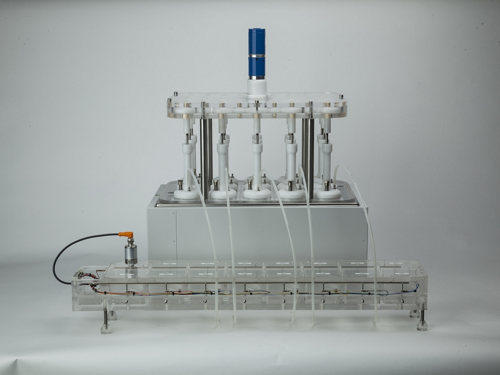
| Biochemical Methane Potential (BMP) Unit We use an automated device, developed by Anaero Technologies, to determine the biochemical methane potential of biomass. |