



The specific hydrolytic potential (SHP), also known as the specific hydrolysis activity, is one of a series of Specific Microbial Activity (SMA) tests that investigate how well the microbial community within the anaerobic digester is able to move through each of the stages of digestion.
The SHP is performed on the digester sample by subjecting it to standard polymeric substrates, such as starch or cellulose, with the selection of these polymers being based on the feedstock used in the AD plant. For example, for an AD plant using grass as a feedstock, cellulose will be the standard polymeric sugar, whilst for an AD plant using FOG (fats oils and greases) pure vegetable oil will be used as the polymeric feedstock.
The biomethane produced from the standard feedstock using the digester sample is compared against the theoretical biomethane potential. The rate of gas production is determined which then allows the specific hydrolytic potential of the digester to be calculated.
Click here to place an order for determining Specific Hydrolytic Potential (SHP).
Analysis Packages for Specific Hydrolytic Potential (SHP)
The Celignis Analysis Package(s) that determine this constituent are listed below:
P240 Specific Hydrolytic Potential (SHP) |
|---|
| Specific Hydrolytic Potential (SHP) |
P243 SHP; SAP; and SMP |
|---|
| Specific Hydrolytic Potential (SHP), Specific Acidogenic Potential (SAP), Specific Methanogenic Potential (SMP) |
Equipment Used for Specific Hydrolytic Potential (SHP) Analysis
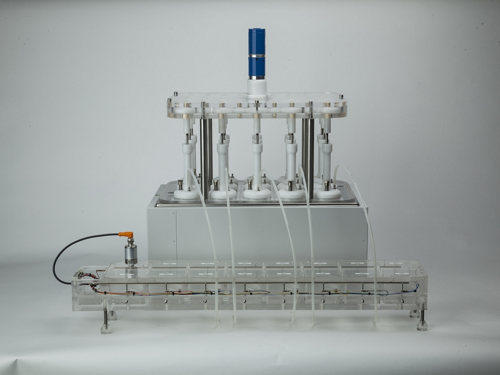
| Biochemical Methane Potential (BMP) Unit We use an automated device, developed by Anaero Technologies, to determine the biochemical methane potential of biomass. |